
Product Center
Products
Browse products by category.
POCT
POCT
Sexually Transmitted Diseases
Sexually Transmitted Diseases
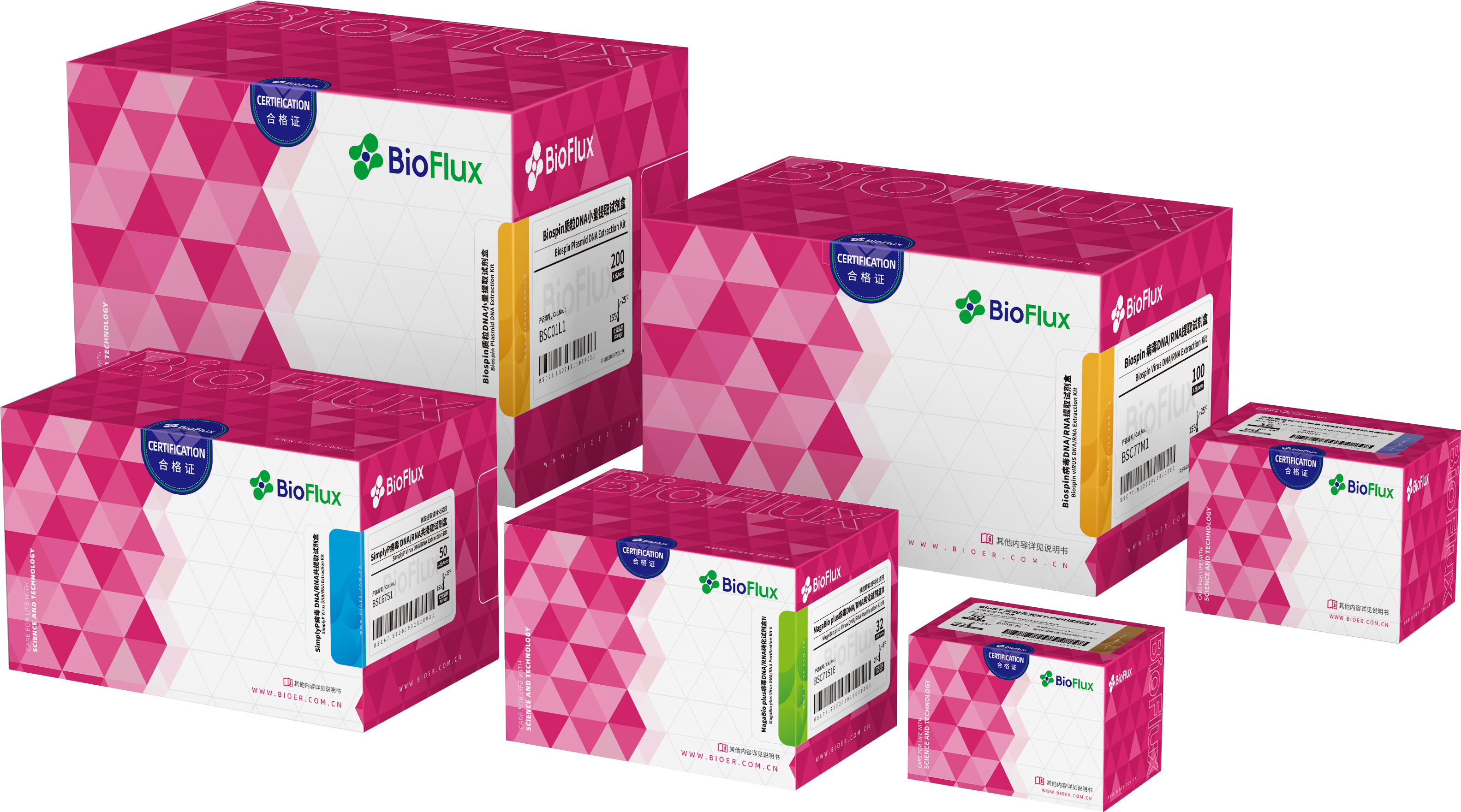
STI-6 Nucleic Acid Detection Kit (Fluorescence PCR)
Sexually transmitted diseases (STDs), or infections (STIs), are mainly spread through sexual contact or close genital contact. Transmission may also occur via contaminated personal items like towels. STIs are caused by various pathogens, including viruses, bacteria, fungi, and protozoa.
STI-7 Nucleic Acid Detection Kit (Fluorescence PCR)
Sexually transmitted diseases (STDs), or infections (STIs), are mainly spread through sexual contact or close genital contact. Transmission may also occur via contaminated personal items like towels. STIs are caused by various pathogens, including viruses, bacteria, fungi, and protozoa.
STI 13-Pathogen Lyophilized Nucleic Acid Detection Kit (Fluorescence PCR)
Sexually Transmitted Diseases (STDs), also known as Sexually Transmitted Infections (STIs), are diseases transmitted through sexual activities, similar behaviors (such as genital friction), and indirect contact (such as using a towel belonging to an infected individual).More than 30 different bacteria, viruses and parasites are known to be transmitted through sexual contact, including vaginal, anal and oral sex. Some STIs can also be transmitted from mother-to-child during pregnancy, childbirth and breastfeeding. A wide range of pathogens can cause sexually transmitted infections (STIs), including viruses, chlamydia, mycoplasmas, spirochetes, bacteria, fungi, and protozoa. The symptoms, severity, and impact of STIs vary depending on the pathogen.
CMV Detection Kit (Fluorescence Quantitative PCR)
Cytomegalovirus (CMV) is a prevalent herpesvirus that infects a large portion of the global population. CMV infection is typically asymptomatic in healthy individuals but can cause severe complications, particularly in immunocompromised individuals such as transplant recipients and those with HIV/AIDS. Congenital CMV infection is a leading cause of birth defects and developmental disabilities. Given its widespread prevalence and potential for serious health implications, molecular detection of CMV has become crucial for clinical diagnosis, monitoring of at-risk individuals, and public health interventions. Various molecular techniques, including polymerase chain reaction (PCR), are employed for sensitive and specific detection of CMV DNA, facilitating early diagnosis and timely intervention to mitigate associated risks.
STD Pathogen Multiplex Detection Kit (Fluorescent PCR)
The co-infection of STDS (Sexually Transmitted Disease) is one of the main reasons to diagnose and cure STDS difficultly. According to the survey of the global STD epidemic, about 60% of STD infected people are accompanied by at least one dominant or latent STD pathogen infection. If insufficient attention is paid to these co-infections, especially the latent co-infections, they often develop into chronic persistent infections, which can cause a series of comorbidities and even lead to the prevalence and spread of STD. Therefore, enough attention must be paid to it. Multiplex detection of STD pathogens breaks the limitation of traditional single pathogen detection, and can detect multiple STD pathogens at one time, which can effectively find co-infections. For Research Use Only
Neisseria gonorrhoeae, Chlamydia trachomatis, Ureaplasma urealyticum Nucleic Acid Detection Kit (Fluorescent PCR)
The incidence of sexually transmitted diseases (STDs) has been increasing in recent years. Chlamydia trachomatis (CT), ureaplasma urealyticum (UU) and Neisseria gonorrhoeae (NG) are common pathogens causing STD and genitourinary diseases. This kit can detect three pathogens at the same time through a single sampling, saving time, effort and cost. Non-competitive internal reference can be used to evaluate sample quality and PCR inhibitory factors to prevent false negative results. At the same time, UDG enzyme and dUTP anti-contamination measures were added to fully degrade possible product contamination and avoid false positive results.
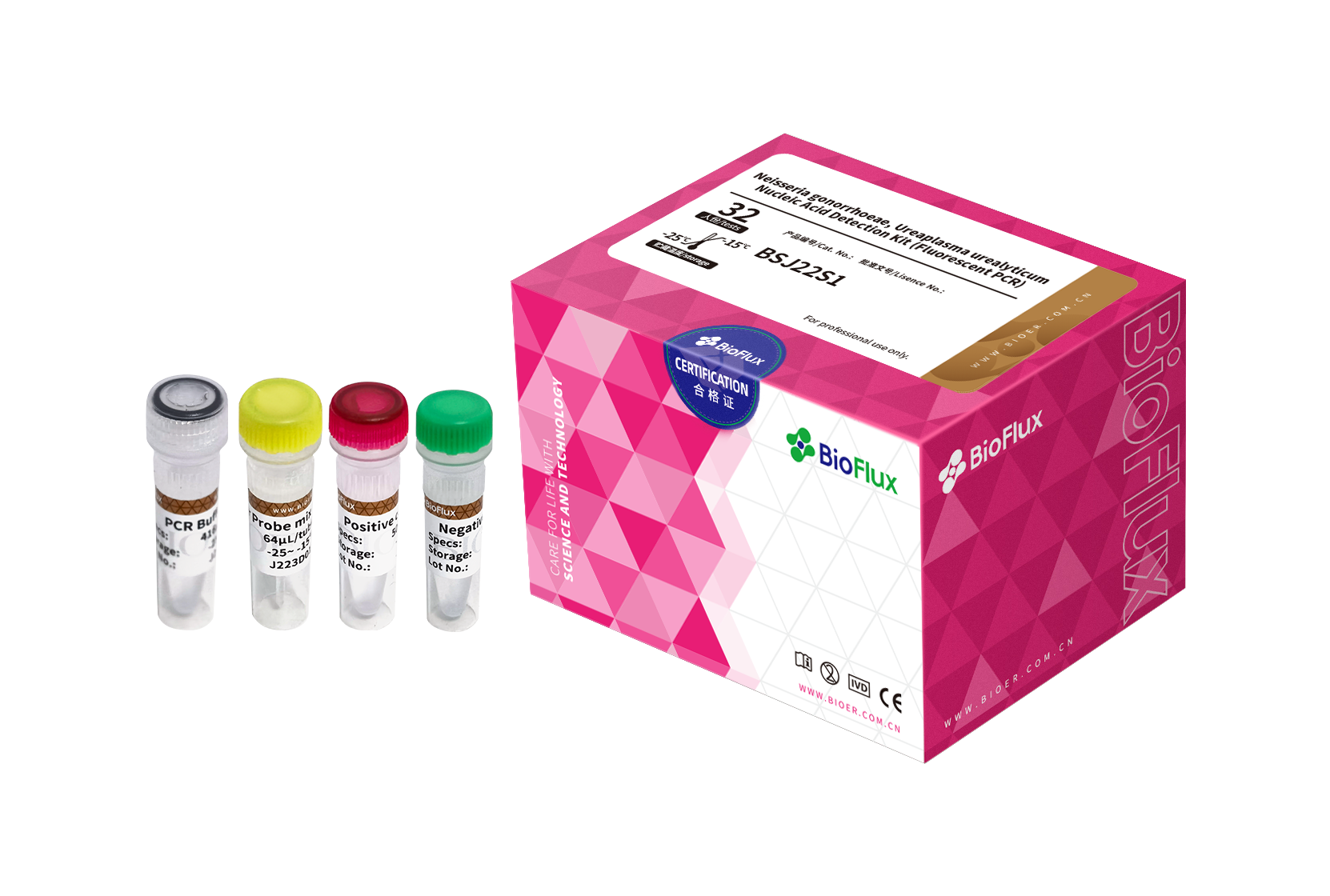
Neisseria gonorrhoeae, Ureaplasma urealyticum Nucleic Acid Detection Kit (Fluorescent PCR)
This kit uses real-time fluorescent PCR technology, primers and Taqman probes are designed in the conserved regions of Neisseria gonorrhoea(NG)and Ureaplasma urealyticum(UU). It is used for the qualitative detection of Neisseria gonorrhoeae and Ureaplasma urealyticum nucleic acid in male urethral swabs and female cervical swabs from suspected cases. The internal gene was act as a non-competitive internal control during the extraction and detection process. In addition, UDG enzyme and DUTP anti-contamination measures were added in this kit to avoid false positive results.
Herpes Simplex Virus Type 1 and 2 Nucleic Acid Typing Detection Kit (Fluorescence PCR)
Herpes simplex virus belongs to the α subfamily of human herpesviridae. According to the difference of G protein, it can be divided into two serotypes: Herpes Simplex Virus Type 1(HSV1) and Herpes Simplex Virus Type 2 (HSV2). The nucleic acid sequences of the two types have high homology, but the infection way and clinical manifestations are different. The recurrence rate of genital herpes caused by HSV2 infection is much higher than that caused by HSV1, so it has important clinical significance for the diagnosis and detection of HSV.
Group B Streptococcus Nucleic Acid Detection Kit (Fluorescent PCR)
Group B streptococcus (GBS) commonly appears in up to 35% of healthy women's reproductive or gastrointestinal tracts. Pregnant women colonized with GBS can transmit the bacteria to their newborns at the time of birth. This infection can lead to neonatal sepsis and/or meningitis. Thus, it is essential to screen and understand the clinical presentations and treatments for GBS infections. The detection kit offers high sensitivity and specificity, ensuring reliable results with minimal cross-reactivity. It is easy to use and provides fast turnaround time, making it ideal for clinical laboratories to screen high-risk populations and prevent complications related to GBS infections.
Cell Culture Consumables
Cell Culture Consumables