
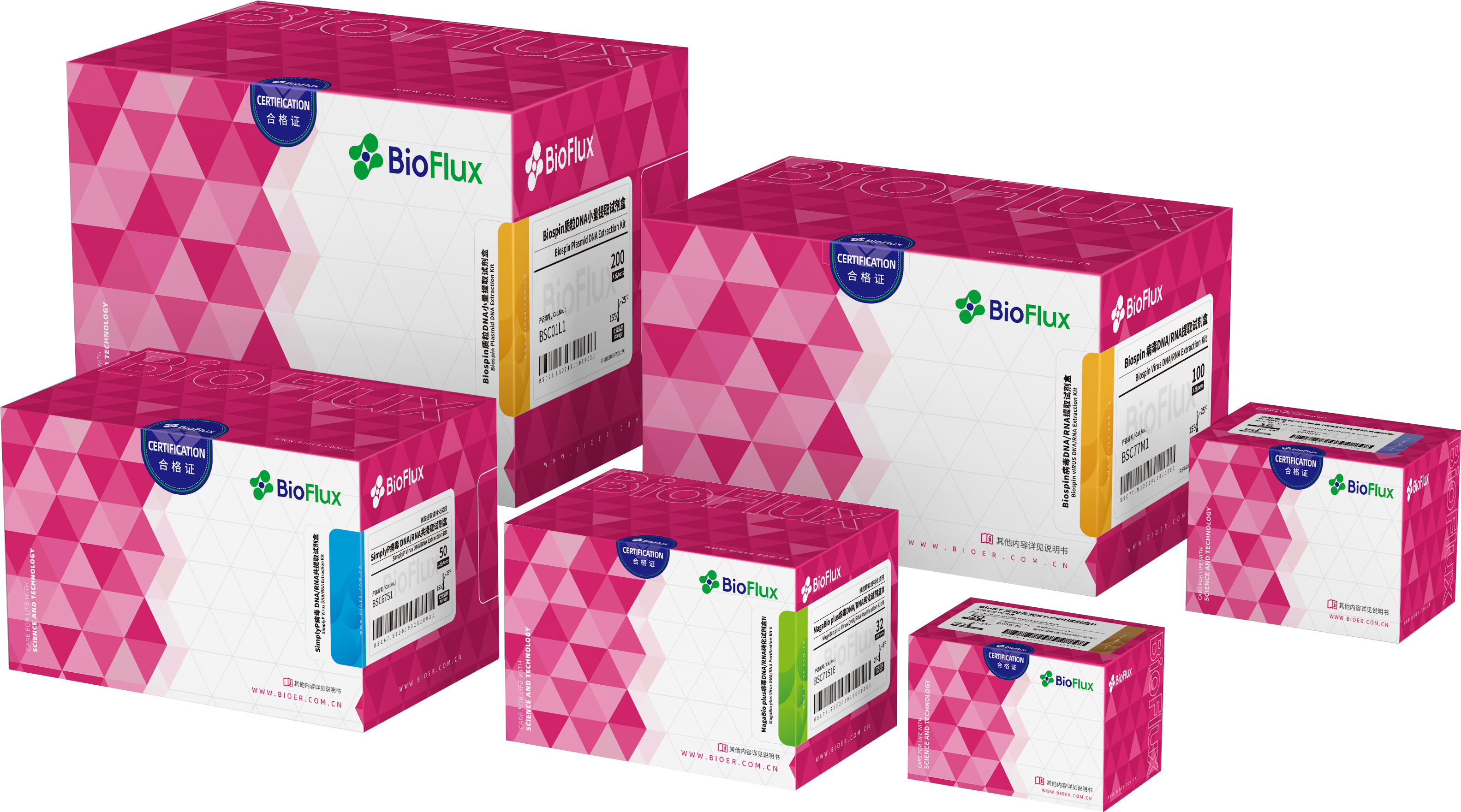
Influenza A Virus/Influenza B Virus Nucleic Acid Detection Kit (Fluorescence RT-PCR)
Details
Product Description
Influenza A Virus /Influenza B Virus Nucleic Acid Detection Kit (FluorescenceRT-PCR) amplifies and detects viral RNA in swab specimens obtained fromsuspected patients. This product selects the M gene (FAM) region of Influenza AVirus and N gene (HEX) regions of lnfluenza B Virus, and designs two sets ofprimers and fluorescent probes that cover two sites of the genes. The two sets ofprimers and probes can specifically bind to the target sequences. When the RT-PCR amplification reaction is performed, the fluorescent signal(s) can be detected by the qPCR. In order to control the entire extraction and detection process, human Ribonuclease gene (CY5) was act as a non-competitive internal controlduring the extraction and detection process.
Product Features
- Strong applicability: suitable for Oropharyngeal Swabs
- High sensitivity: up to 200 copies/mL
- High accuracy: The kit can simultaneously detect influenza A virus subtypes: A H1N1, A H1N1 (2009), A H3N2, A H5N1, A H7N9; influenza B virus: Victoria strain and Yamagata strain. The positive and negative coincidence rates were 100% and 100% respectively.
- Internal Control Included: Incorporates an internal control to monitor the entire extraction and detection process, ensuring reliability and quality of the results.
Application Field
Respiratory infection disease detection
Storage Conditions
-25℃ ~ -15℃ away from light.
Related Products
You May Also Like

SARS-CoV-2 / Respiratory Syncytial Virus /Influenza A Virus /Influenza B Virus Nucleic Acid Multiple Detection Kit (Fluorescence PCR)
Respiratory infection is one of the most common diseases, with adolescents and adults being infected about 2-4 times a year, and children being infected about 6-8 times a year. It is usually accompanied by acute inflammation of the nasal cavity, pharynx, or throat, with most infections being viral, except for a few bacterial infections. SARS-CoV-2 Virus, Respiratory Syncytial Virus, Influenza A Virus and Influenza B Virus have strong transmission power. Epidemiological and clinical symptoms are very similar. Double transmission increases the difficulty of epidemic prevention and control. Therefore, it is an important guarantee for people's health to carry out the detection of COVID-19, influenza virus and other pathogens, do a good job in differential diagnosis, and take targeted prevention and control measures in time.
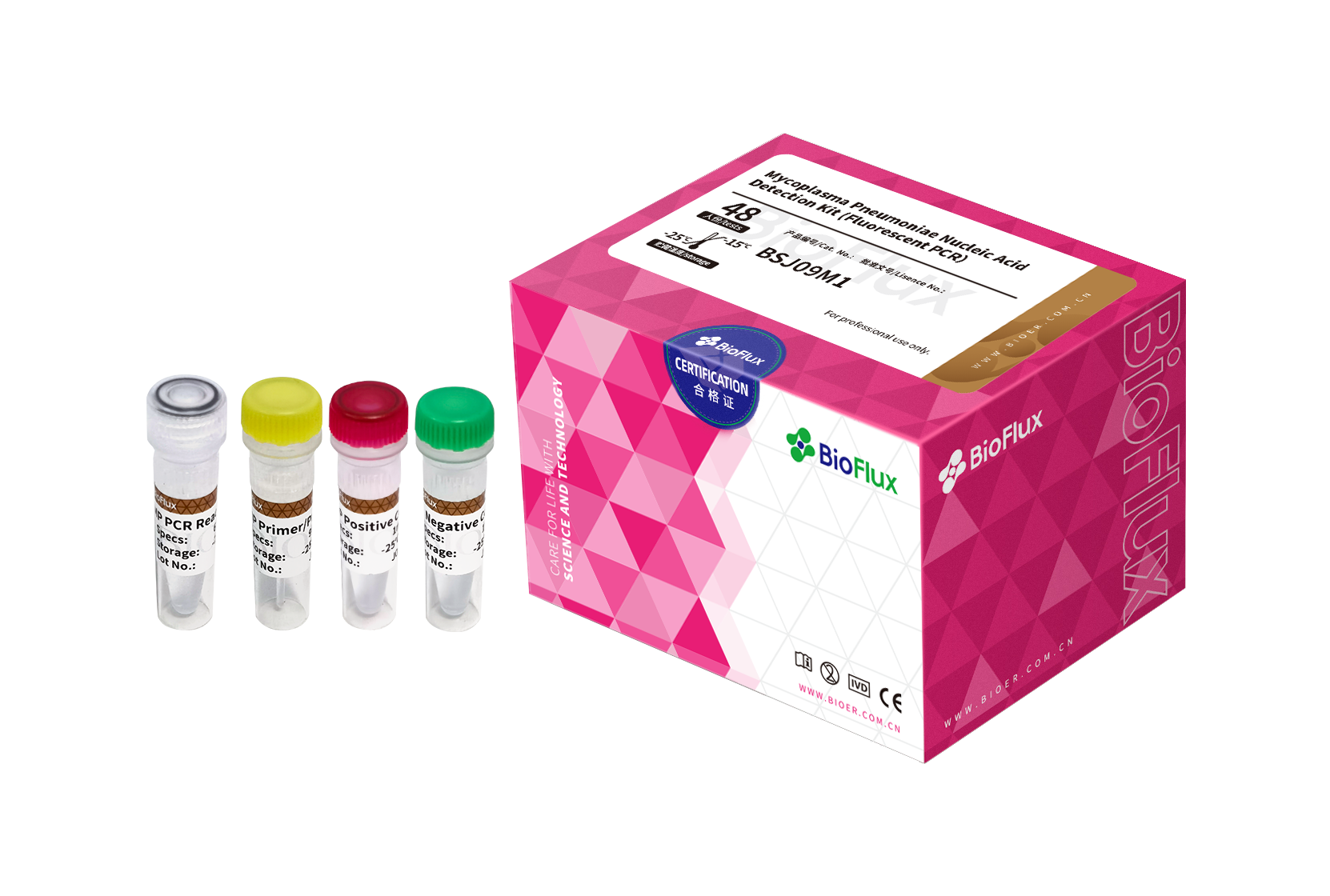
Mycoplasma Pneumoniae Nucleic Acid Detection Kit (Fluorescent PCR)
Mycoplasma pneumoniae (MP) is an important pathogen of community-acquired pneumonia (CAP) in children and adults, which causes respiratory disease through droplet or aerosol transmission and direct contact. Therefore, it has important clinical significance to monitor it.
Respiratory Syncytial Virus Type A/Type B Nucleic Acid Detection Kit (Fluorescent RT-PCR)
Respiratory Syncytial Virus (RSV) is an RNA Virus that spreads through airborne droplets and close contact. It is an important pathogen of acute respiratory tract infection in children. RSV can be divided into RSV A and RSV B based on the difference of G and F antigens, with high fever, cough and wheezing as the main clinical manifestations. RSV infection does not produce long-lasting protective antibodies, making repeated infections common. RSV A and RSV B have some differences in epidemic characteristics and disease symptoms.