
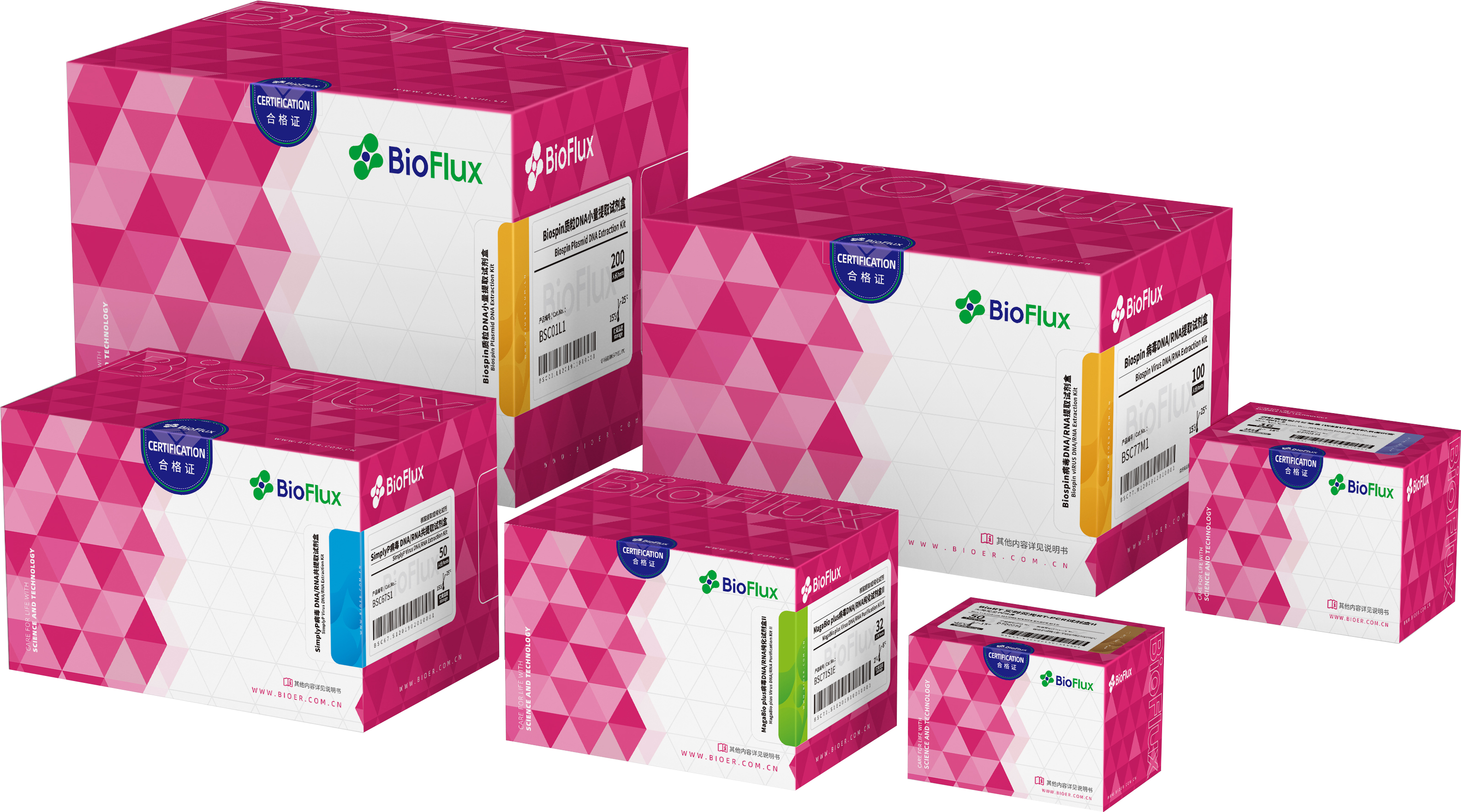
STI-7 Nucleic Acid Detection Kit (Fluorescence PCR)
Details
Product Description
This assay targets conserved genomic regions of seven STI pathogens, utilizing specifically designed primers and fluorescently labeled TaqMan probes for each. Compared to conventional PCR, this method offers higher automation, speed, sensitivity, and specificity. The assay employs an optimized reaction buffer system and hot-start DNA polymerase to produce a ready-to-use master mix, minimizing manual preparation steps and enhancing operational efficiency. In addition, the human RNase P gene is introduced as a non-competitive internal control to monitor both nucleic acid extraction and amplification processes, effectively preventing false-negative results.
Product Features
- All-in-One Premix
Ready-to-use master mix requires only the addition of sample, significantly reducing hands-on time and minimizing manual errors.
- Contamination Control
Incorporates a dUTP/UDG system to effectively prevent carryover contamination between reactions.
- High Specificity
No cross-reactivity was observed with a range of non-target pathogens, including Group B Streptococcus, Human Papillomavirus (HPV), Salmonella spp., Pseudomonas aeruginosa, Escherichia coli, Treponema pallidum, Human Cytomegalovirus (CMV), Epstein-Barr Virus (EBV), Human Herpesvirus 6 (HHV-6), Candida albicans, Mycoplasma pneumoniae, Bordetella pertussis, Staphylococcus aureus, Candida glabrata, and Adenovirus.
- Real-time Monitoring
The human RNase P gene is incorporated as a non-competitive internal control to monitor the entire nucleic acid extraction and amplification process, ensuring reliability and minimizing the risk of false-negative results.
Storage Conditions
-20 ± 5℃, protected from light
Related Products
You May Also Like
STI 13-Pathogen Lyophilized Nucleic Acid Detection Kit (Fluorescence PCR)
The STI 13-Pathogen Lyophilized Nucleic Acid Detection Kit (Fluorescence PCR) is used for the qualitative detection and differentiation of thirteen pathogens associated with sexually transmitted diseases. These pathogens include Chlamydia trachomatis (CT), Neisseria gonorrhoeae (NG), Mycoplasma genitalium (MG), Treponema pallidum (TP), Herpes simplex virus 1 (HSV-1), Herpes simplex virus 2 (HSV-2), Ureaplasma urealyticum (UU), Mycoplasma hominis (MH), Gardnerella vaginalis (GV), Trichomonas vaginalis (TV), Haemophilus dacrya (HD), Ureaplasma parvum (UP), and Candida albicans (CA).
STI-6 Nucleic Acid Detection Kit (Fluorescence PCR)
Sexually transmitted diseases (STDs), or infections (STIs), are mainly spread through sexual contact or close genital contact. Transmission may also occur via contaminated personal items like towels. STIs are caused by various pathogens, including viruses, bacteria, fungi, and protozoa.
Neisseria gonorrhoeae, Chlamydia trachomatis, Ureaplasma urealyticum Nucleic Acid Detection Kit (Fluorescent PCR)
The incidence of sexually transmitted diseases (STDs) has been increasing in recent years. Chlamydia trachomatis (CT), ureaplasma urealyticum (UU) and Neisseria gonorrhoeae (NG) are common pathogens causing STD and genitourinary diseases. This kit can detect three pathogens at the same time through a single sampling, saving time, effort and cost. Non-competitive internal reference can be used to evaluate sample quality and PCR inhibitory factors to prevent false negative results. At the same time, UDG enzyme and dUTP anti-contamination measures were added to fully degrade possible product contamination and avoid false positive results.